How to Teach CPR in 8 Simple but Effective Steps

Have you ever wondered what it takes to be an effective Certified CPR Instructor? A question our students ask is “how do we know how to teach CPR classes?”

Read on to find how a CPR instructor can go from simply sharing knowledge to becoming an effective educator that prepares their students to save lives with CPR.

6 min read

In-House vs. On-Site CPR Training: Which Is Right for You?

As awareness of how vital CPR is to increasing a victim’s chances of survival grows, so will the number of people looking to get certified. But with in-house, blended, and on-site CPR training courses to choose from, how do you know which is right for you? Read on to learn about in-house versus on-site CPR training and how to choose the right one to get your team CPR certified while minimizing workload and maximizing efficiency!

5 min read

Rescue Breathing & Ventilation Rates for Adults, Children & Infants

Few bodily functions are as important to a person’s overall well-being as the one that supplies oxygen-rich air for the circulatory system: breathing. But what happens when a person is unable to breathe effectively in an emergency? That’s where rescue breathing comes into play. Read on to learn more about rescue breathing and ventilation rates for adults, children, and infants.

15 min read

How to Check a Person’s Pulse

Taking a person’s pulse is the most basic of all medical procedures. It consists of checking a person’s heartbeat by feeling their arteries. It is often used to determine a person’s heart rate, which is a key health indicator. It is also used in emergencies to check if a person’s heart is still beating.
Knowing how to check a pulse — whether your own or another person’s — is a skill everyone should have. The following are some basic techniques you can use.

19 min read

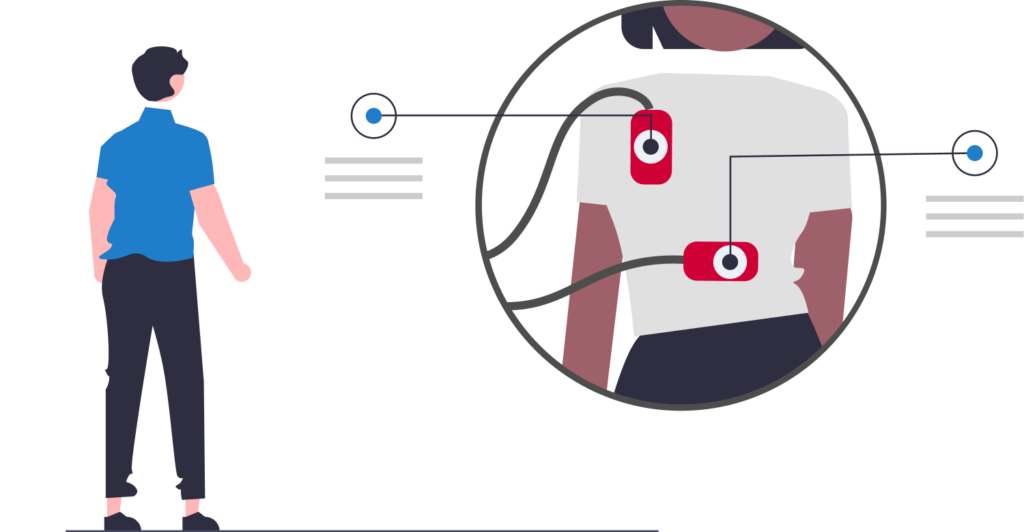
What Is a Defibrillator & How Does It Work

You’ve likely seen an automated external defibrillator (AED) used in your favorite medical drama, or maybe you’ve spotted one hanging on the wall of the restaurant you frequent. But have you ever wondered, “What is a defibrillator?” and would you know how to use one in the face of an emergency? Read on to learn the answers to “What is a defibrillator?,” “How does a defibrillator work?,” and “How can CPR and a defibrillator help save a life?”

20 min read

How to Identify & Administer First Aid for an Electric Shock

Injuries from electric shock are common and can range from superficial to severe. In some cases, first aid for an electric shock may only require a bandage or a quick check-up; however, in other cases, the victim may need emergency care. Read on to learn more about common causes of electric shocks, their effect on the body, and how to administer first aid for an electric shock.

5 min read

The Side Effects of Resuscitation: What Are the Risks of CPR?

CPR is an invaluable tool in every medical professional’s arsenal. However, like many medical procedures, CPR has its risks, and the side effects of resuscitation can affect both the giver and the receiver. Here’s what to know about the side effects of resuscitation and the risks of CPR.

4 min read

Overcoming Class Minimums for Group CPR Training

We’re no strangers to the idea of needing a certain number of students to meet class minimums. Fortunately, ProTrainings has found unique approaches to solve this challenge facing so many different industries.

Read on to learn how to overcome group CPR training class minimums through staff training, hybrid online solutions, and by bringing extra value to your employees.

4 min read

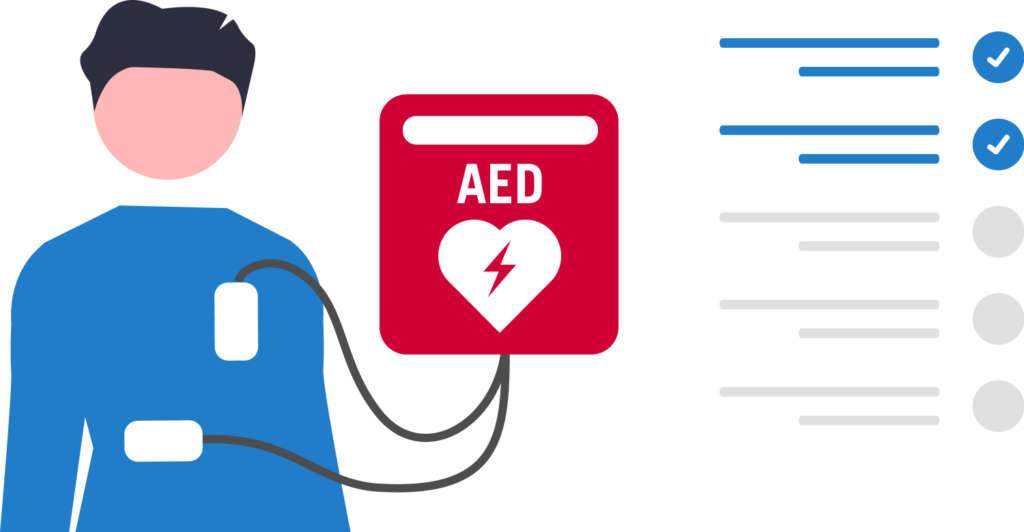
How to Use an AED

When a person collapses, has no pulse, and isn’t breathing, most people’s first instinct is to step in and provide CPR. CPR is certainly a great start and an effective life-saving skill, but informing yourself of other measures, like how to use an AED, can increase a victim’s chances of survival even more. But many people misunderstand how to use an AED and are unsure of what, exactly, it’s intended to do. Read on for everything you should know about using an AED to save a life.

11 min read

4 Ways to Future-Proof Your Group CPR Training Program

Overseeing a group CPR training program is a lot for one person to handle, but many organizations only have one person in charge of running the program, tracking certifications, and conducting classes. A big problem emerges when that person leaves the organization and someone else needs to pick up where they left off. Here are four ways to keep your group CPR training program running smoothly and effectively, even if the team member in charge leaves.

5 min read

How to Avoid Cardiac Arrest: Why So Few People Survive Out of Hospital

‘Heart attack‘ is one of the scariest terms in the English language, and rightly so. Cardiac arrest statistics in 2022 revealed that 356,000 people in the United States experience cardiac arrest a year, or nearly 1,000 per day. Close to 90% of these cases are fatal, and those who survive can experience permant loss of health.

Those are some sobering numbers! Because heart attacks are so often fatal, even when treated, it’s essential that healthcare professionals understand how to avoid cardiac arrest and recognize those most at risk. To do this, we first need to know what cardiac arrest is and what causes it.

6 min read