Online CPR certification can be valid, but acceptance depends on your profession, your employer’s policy, the regulatory agency involved, and the course format. Here’s how to know what your team actually needs.


Tag
Online CPR certification can be valid, but acceptance depends on your profession, your employer’s policy, the regulatory agency involved, and the course format. Here’s how to know what your team actually needs.
What You Really Need To Know The AHA updated its guidelines based on new ILCOR research. Core CPR techniques stay the same. Here’s what’s changing: The theme across all updates: get people acting faster with techniques that work in real-world conditions. ProTrainings will have updated courses by March 2026. 2025 ECC Updates Are Here New…

Losing a child is every parent’s worst nightmare, and the King family has come far too close to that reality — twice! But thanks to the preparedness and quick actions of Greenville Schools’ staff, both of the family’s daughters survived their cardiac arrests. Keep reading to learn more about youth cardiac emergencies and how schools can prepare to save students’ lives.

What do you do when CPR doesn’t work? Unfortunately, many people who suffer cardiac arrest do not survive, even despite receiving immediate help. This can cause rescuers to feel guilty or question whether they did something wrong. Here’s what you need to know about the true purpose of CPR and how to prepare yourself and your staff for when CPR doesn’t work.

Since we first began training people in CPR and first aid, we’ve heard so many stories about ordinary citizens — many of them teenagers — taking heroic action to save lives in emergencies. This is exactly why we believe every student should be trained in CPR. Read on to learn more about the importance of youth CPR training and how you can help make that training available to more students in your community.

Recently, ProTrainings crossed the major milestone of having trained our 3 millionth rescuer through our online training course. This exciting milestone represents not only the tireless work of our team but also the continued support of our customers, who recognize the value that high-quality life-saving training can bring to their teams when it matters most.

At ProTrainings, we hear about a lot of incredible stories of professionals and layrescuers alike saving lives and giving others a chance at tomorrow. We recently heard a story from one of our group CPR administrators about an incredible young man with quadriplegia who was determined to learn CPR.

Even if you’re familiar with the standard procedures for administering CPR, you may be unsure of how to perform CPR under certain circumstances, such as if the person is in a wheelchair or if you’re in a wheelchair yourself. But mobility limitations don’t have to prevent anyone from giving or receiving lifesaving aid. Here’s what you need to know about performing CPR on a person in a wheelchair and how people in wheelchairs can administer CPR to others.

We’ve identified four companies that we feel are leading the way in preparing their staff with the skills necessary to step in and provide rescue when the time comes. Read on to find out how one fitness franchise is proving to be an industry leader in creating more rescuers.
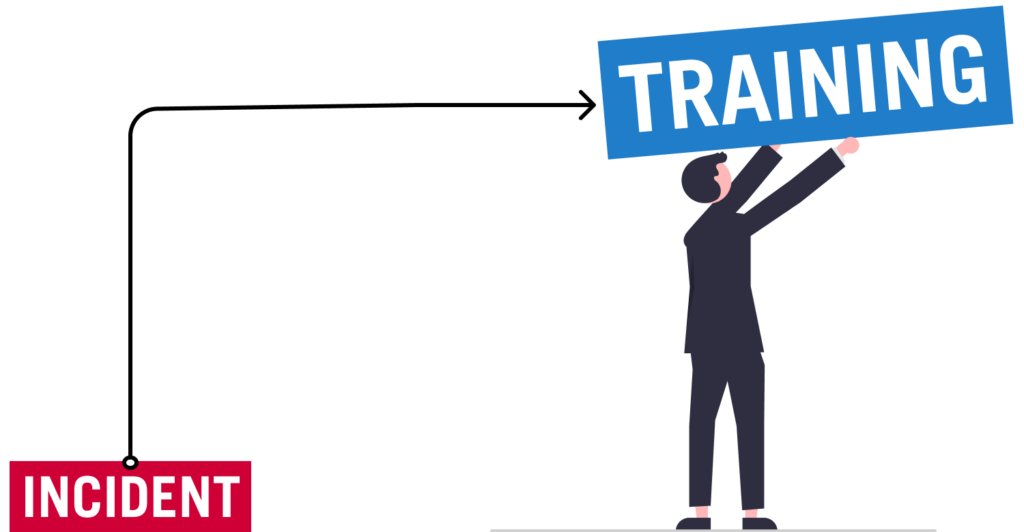
Over the years, we’ve observed an ironic — and tragic — trend among people who reach out to us about CPR training. Far too many organizations wait to implement group training until after an incident occurs in the workplace. While late is certainly better than never, failing to implement CPR training before it becomes necessary puts your entire staff at risk. Read on to learn more about why people tend to put off CPR training until it’s too late, and how to start building your training program today.

As members of our communities and citizens of the world at large, we can all play a part in making the world a better, safer place to live. There are several different types of corporate social responsibility that organizations can participate in, but they all revolve around the same idea: prioritizing positive change. Keep reading to learn more about how CPR training relates to corporate social responsibility.

While the head-tilt chin-lift technique works well in many cases and has the advantage of being somewhat easier to perform, it should not be used in scenarios in which there is a possibility of neck injury. The jaw thrust maneuver should be used whenever there is an injury to the cervical spine that could be aggravated by the head-tilt chin-lift.