Our pets do not live in protective bubbles. And, what happens in the first few minutes of a pet emergency can make a huge difference in saving that pet.
That’s why as a master pet first aid/CPR instructor, I am always on the alert for any updates from emergency/critical care veterinarians when it comes to performing first aid on cats and dogs. I pass on updated info to pet parents and pet professionals, who are often their pets’ first responders. The goal isn’t to turn your living room into an emergency room. It’s to help you make informed decisions when every minute counts.
Recently, the veterinary group that sets such pet first aid/CPR standards, updated some procedures in what is called the RECOVER Initiative.
Let’s take a closer look at five key updates from the RECOVER guidelines:

1. Heatstroke
Heavy panting, excessive drooling, weakness, vomiting, confusion or collapse can signal a life-threatening heat-related emergency. Move your pet out of the heat, begin appropriate cooling and contact an emergency veterinarian immediately. Never apply ice as the extreme cold can send the pet into shock.
2. Choking
Pawing frantically at the mouth, difficulty breathing, unusual respiratory sounds or collapse demand immediate attention. A choking pet may panic or bite, even if normally gentle. Follow trained first-aid procedures, and never blindly sweep your fingers into the mouth, which could push an obstruction deeper.
3. Burns
Hot pavement, cooking accidents, chemicals and electrical injuries can damage tissue. Remove your pet from the source of injury, avoid applying butter or household ointments, and seek veterinary advice promptly. Electrical burns can cause internal injuries that aren’t immediately obvious.
4. Suspected Poisoning
A spilled product, chewed package or missing medication can be an important clue. Keep the packaging, note what may have been swallowed and contact a veterinarian or animal poison control service. Do not induce vomiting or give a home antidote unless a veterinary professional specifically directs you to do so.
5. Severe Bleeding
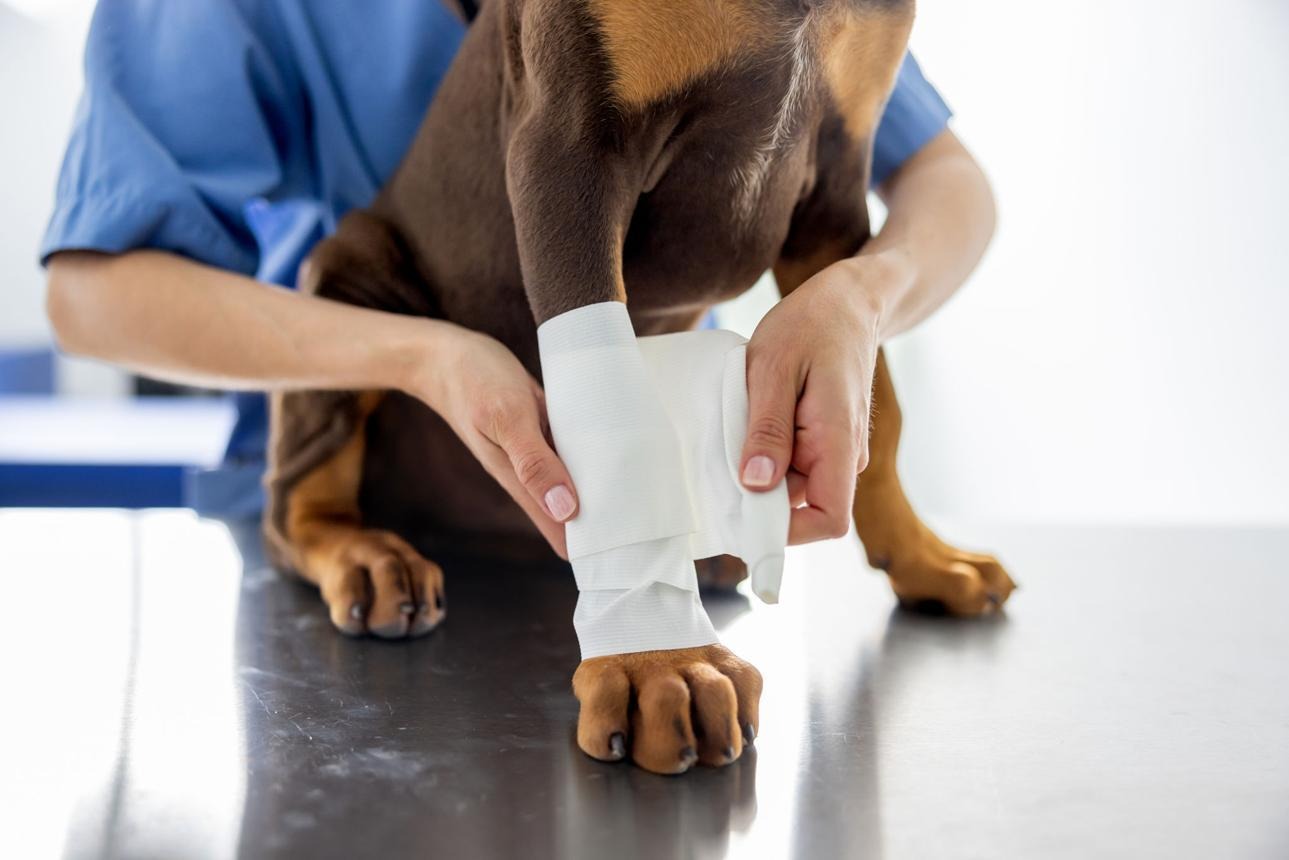
Serious cuts, accidents and torn nails can cause substantial blood loss. If it is safe, apply firm, continuous pressure with clean gauze or cloth while someone contacts the emergency veterinary hospital. Don’t repeatedly lift the dressing to check the wound, and don’t remove an embedded object.
The most important lesson: Recognize, act and get help
For pet parents, I recommend keeping these three steps in mind.
RECOGNIZE
Notice sudden changes in breathing, consciousness, movement, gum color or behavior. Trust your instincts if your pet seems seriously unwell.
ACT
Protect yourself and your pet from further harm. Give first aid appropriate to the emergency and your training. Avoid improvised treatments that could cause additional injury.
GET VETERINARY HELP
Call your veterinarian or the nearest emergency animal hospital. Describe the symptoms, what happened and what first aid you’ve provided. Follow their instructions about immediate care and transport.
Learn More
You can learn more on ways to keep your cats and dogs safe by visiting https://www.protrainings.com/courses/pets. Consider taking our veterinarian-approved online pet first aid/CPR course. Enter this code: CPR – ARDEN MOORE and receive a 10 percent discount! And, if you are interested in becoming a Pro Pet Hero instructor, please click on the BECOME AN INSTRUCTOR button on the home page for more details.